Introduction
The Middle East has one of the world’s most distinctive and influential fragrance markets. For centuries, perfume has played an important role in Arabian culture, representing luxury, personal identity, hospitality, and tradition.
Today, the Middle Eastern perfume industry continues to grow, with increasing demand for premium fragrances, niche perfume collections, and customized fragrance products. For perfume brands, retailers, and distributors entering this market, understanding local fragrance preferences is essential for creating products that match consumer expectations.
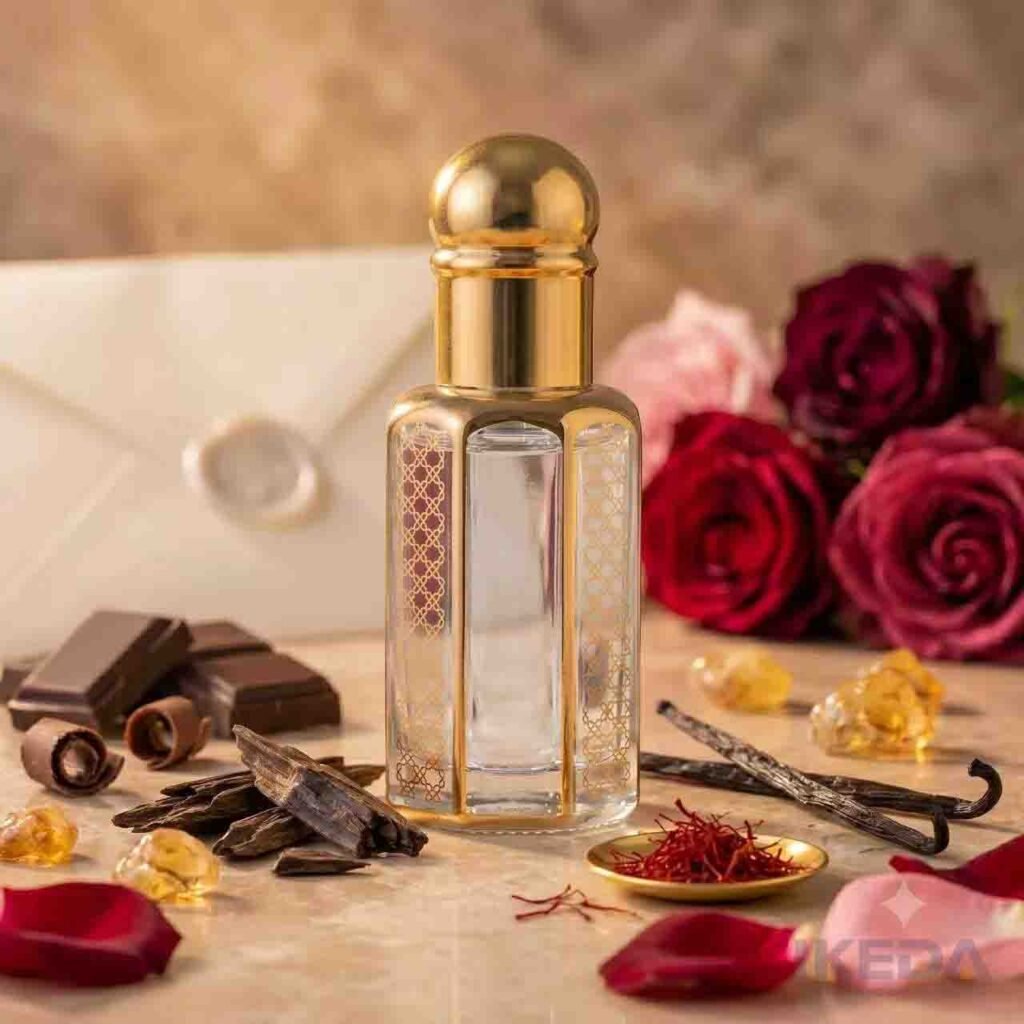
Unlike some markets where consumers prefer light and fresh scents, Middle Eastern customers often look for fragrances with strong character, excellent longevity, and luxurious ingredients. Notes such as oud, amber, musk, rose, saffron, and woody accords remain highly popular among both traditional and modern perfume consumers.
For brands planning to develop a new perfume collection, selecting the right fragrance notes is only the first step. Working with an experienced perfume manufacturer can help transform fragrance concepts into market-ready products through professional formulation, testing, production, and packaging solutions.
This guide explores the most popular perfume notes in the Middle East market and explains how perfume brands can use these trends to develop successful fragrance collections.
Middle East Perfume Market Trends: What Brands Need to Know
Before selecting fragrance notes, brands need to understand the market characteristics that influence purchasing decisions. Many emerging brands are working with a private label perfume supplier to launch customized fragrance collections.
1. Strong Demand for Luxury and Long-Lasting Fragrances
One of the most important characteristics of the Middle Eastern perfume market is the preference for powerful and long-lasting fragrances.
Consumers often evaluate perfumes based on:
- Fragrance intensity
- Longevity
- Ingredient quality
- Brand image
- Uniqueness
For this reason, many Middle Eastern perfume brands focus on Eau de Parfum (EDP) and higher concentration formulas.
Compared with lighter fragrance styles, oriental and woody compositions with strong base notes usually perform better because they provide a richer scent experience.
Popular long-lasting fragrance foundations include:
- Oud
- Musk
- Amber
- Sandalwood
- Patchouli
2. Growth of Arabian-Inspired Perfume Collections
Arabian-inspired fragrances have gained international popularity in recent years.
Many brands are developing collections based on traditional Middle Eastern fragrance profiles, combining classic ingredients with modern perfume styles.
Examples include:
- Oud combined with floral notes
- Amber blended with vanilla
- Musk combined with fresh accords
- Saffron mixed with woody notes
This creates opportunities for perfume brands that want to develop unique products for both Middle Eastern and global customers.
3. Increasing Demand for Private Label Perfumes
The growth of online fragrance businesses and boutique perfume brands has increased demand for private label and custom perfume manufacturing.
Many emerging brands are looking for manufacturing partners that can provide:
- Custom fragrance development
- Bottle and packaging solutions
- Flexible production quantities
- Quality control support
- Export experience
A reliable perfume manufacturer allows brands to launch unique collections without investing in their own production facilities.
Most Popular Perfume Notes in Middle East Market
1. Oud: The Most Iconic Arabian Perfume Note
Oud is considered one of the most important fragrance ingredients in Middle Eastern perfumery.
Also known as agarwood, oud comes from the resinous heartwood of Aquilaria trees. Its aroma is complex, featuring woody, smoky, sweet, and slightly animalic characteristics.
For many consumers in the Middle East, oud represents:
- Luxury
- Tradition
- Prestige
- Exclusivity
Because of its cultural importance and premium positioning, oud-based perfumes are widely used by luxury fragrance brands.
Why Brands Choose Oud for Middle Eastern Perfumes
For perfume brands, oud provides several advantages:
Premium Market Positioning
Oud fragrances are often positioned as luxury products, allowing brands to create higher-value collections.
Strong Customer Recognition
Consumers familiar with Arabian fragrances immediately associate oud with traditional luxury.
Excellent Longevity
Oud works as a powerful base note that improves fragrance depth and lasting performance.
Popular Oud Fragrance Combinations
| Combination | Fragrance Style |
|---|---|
| Oud + Rose | Classic Arabian luxury |
| Oud + Amber | Warm oriental fragrance |
| Oud + Saffron | Premium niche perfume |
| Oud + Musk | Elegant unisex style |
| Oud + Vanilla | Modern luxury scent |
2. Amber: A Warm and Luxurious Foundation Note
Amber is another essential fragrance note in Middle Eastern perfumes.
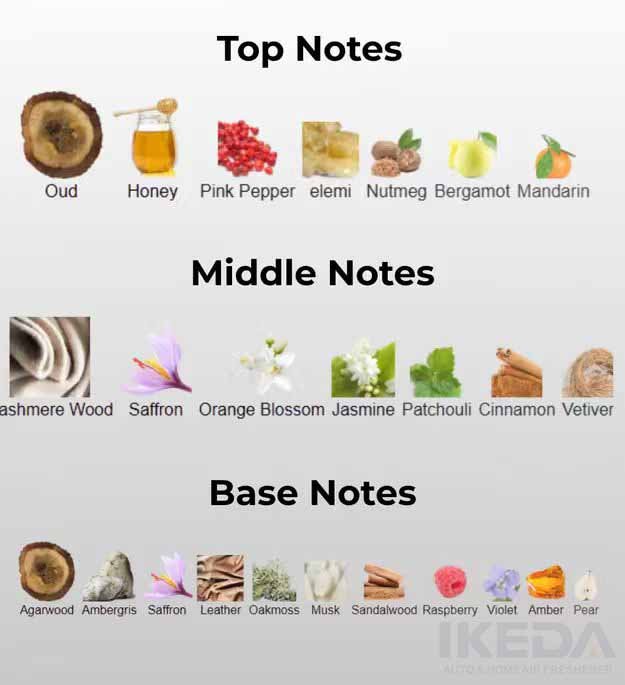
In modern perfumery, amber is usually created through a combination of ingredients such as:
- Vanilla
- Benzoin
- Labdanum
- Resinous accords
The result is a warm, sweet, and sophisticated fragrance profile.
Amber is popular because it creates feelings of:
- Comfort
- Elegance
- Luxury
- Warmth
Why Amber Works Well in Middle Eastern Markets
Amber blends naturally with many traditional ingredients.
Common combinations include:
- Amber + Oud
- Amber + Musk
- Amber + Vanilla
- Amber + Saffron
For luxury perfume brands, amber is often used as a signature base note to create a memorable fragrance identity.
3. Musk: The Key Note for Softness and Longevity
Musk has been widely used in Middle Eastern fragrances for generations.
Today, professional perfume manufacturers mainly use safe synthetic musk alternatives that recreate the clean, smooth, and sensual characteristics of traditional musk.
Musk provides:
- Better fragrance fixation
- Smooth blending
- Long-lasting performance
- Skin-friendly softness
Popular Musk Combinations
| Combination | Style |
|---|---|
| White Musk + Floral | Clean feminine fragrance |
| Musk + Oud | Luxury oriental |
| Musk + Amber | Warm premium scent |
| Musk + Vanilla | Modern sweet fragrance |
4. Rose: The Symbol of Arabian Elegance
Rose is one of the most recognized floral notes in Middle Eastern perfumery.
Especially in luxury fragrance collections, rose is often combined with stronger oriental ingredients to create balance between softness and intensity.
Popular rose varieties include:
- Damask Rose
- Bulgarian Rose
- Turkish Rose
Popular Rose Perfume Combinations
- Rose + Oud
- Rose + Musk
- Rose + Amber
- Rose + Saffron
These combinations are widely used for premium women’s perfumes and luxury gift collections.
5. Saffron: A Premium Ingredient for Luxury Fragrances
Saffron has become increasingly popular in high-end perfume collections.
Known as one of the world’s most expensive spices, saffron provides a unique fragrance profile:
- Warm
- Spicy
- Slightly leathery
- Exotic
Luxury brands often use saffron to create exclusive and memorable perfume identities.
Popular combinations:
- Saffron + Oud
- Saffron + Leather
- Saffron + Amber
6. Vanilla: A Growing Modern Fragrance Trend
While traditional Arabian perfumes focus heavily on oud and woody notes, modern Middle Eastern consumers are also showing increasing interest in sweet and gourmand fragrances.
Vanilla provides:
- Creamy sweetness
- Comfort
- Youthful appeal
- Modern luxury feeling
Popular combinations:
- Vanilla + Amber
- Vanilla + Musk
- Vanilla + Oud
This trend is especially attractive to younger perfume consumers.
7. Woody Notes: Creating Powerful Signature Perfumes
Woody fragrances remain an important category in the Middle East market.
Common woody ingredients include:
- Sandalwood
- Cedarwood
- Vetiver
- Patchouli
Woody notes create:
- Strength
- Sophistication
- Long-lasting character
They are widely used in:
- Men’s perfumes
- Unisex fragrances
- Luxury collections
How Perfume Manufacturers Develop Fragrances for Middle Eastern Brands
Choosing the right custom perfume manufacturer allows brands to develop unique fragrances based on regional preferences.
Successful perfume development requires professional experience, testing, and market understanding.
Step 1: Market Research and Fragrance Concept
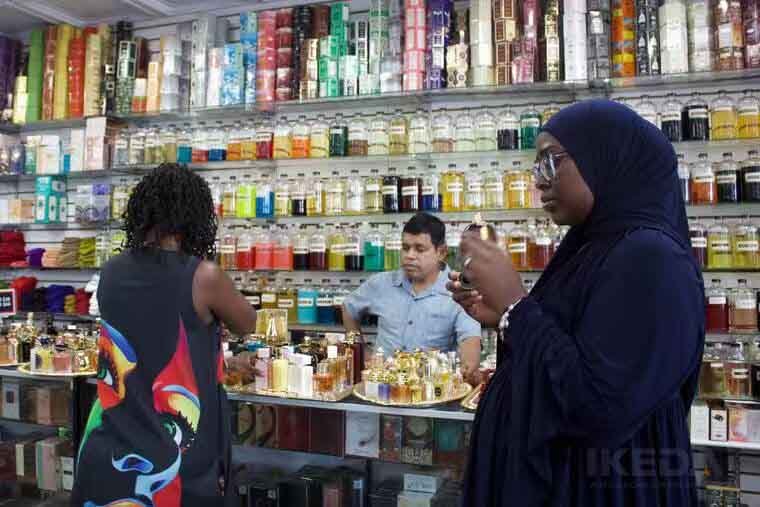
Before creating a formula, manufacturers analyze:
- Target country
- Customer preferences
- Competitor products
- Price positioning
- Brand identity
For example:
Luxury Arabian Collection:
- Oud
- Amber
- Saffron
Modern Lifestyle Collection:
- Vanilla
- Musk
- Floral accords
Step 2: Fragrance Formula Development
Professional fragrance developers adjust:
- Ingredient balance
- Strength
- Dry-down performance
- Scent evolution
The goal is to create a fragrance that performs well from the first spray to the final notes.
Step 3: Testing and Quality Control
Before mass production, manufacturers evaluate:
Fragrance Performance
Including:
- Longevity
- Projection
- Stability
Product Safety
Including:
- Ingredient compliance
- Quality inspection
- Batch consistency
Step 4: Production and Packaging
A complete perfume manufacturing solution may include:
- Formula production
- Bottle filling
- Labeling
- Packaging customization
- Bulk manufacturing
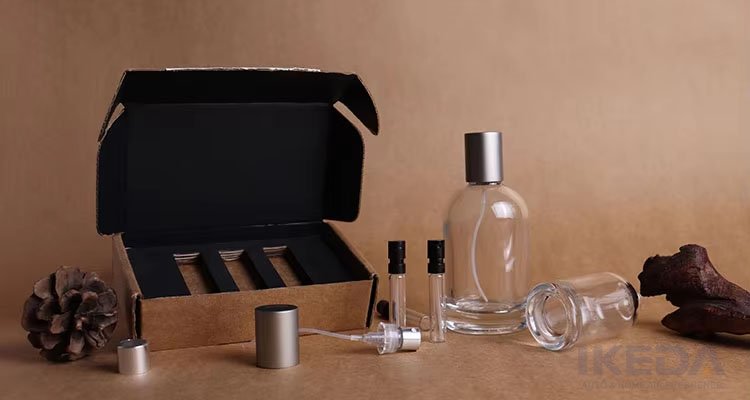
Understanding the perfume manufacturing process helps brands evaluate production quality and supplier capability.
How Brands Choose Perfume Notes for Middle East Market
1. Understand Your Target Customer
Luxury customers:
Recommended notes:
- Oud
- Amber
- Saffron
Modern customers:
Recommended notes:
- Vanilla
- Musk
- Floral accords
2. Match Notes With Brand Positioning
| Brand Position | Recommended Notes |
|---|---|
| Luxury | Oud, Saffron, Amber |
| Premium | Rose, Musk, Sandalwood |
| Modern | Vanilla, Floral |
| Unisex | Woody, Musk |
3. Consider Climate and Performance
Because many Middle Eastern countries have hot climates, fragrance performance is an important consideration.
Brands often prefer:
- Strong base notes
- Higher concentration formulas
- Long-lasting fragrance profiles
Why Work With an Experienced Perfume Manufacturer?
Developing successful fragrances requires more than selecting popular ingredients.
A professional perfume manufacturing partner (eg: IKEDA) can support brands with:
Custom Fragrance Development
Including:
- Unique fragrance creation
- Market-specific formulas
- Exclusive collections
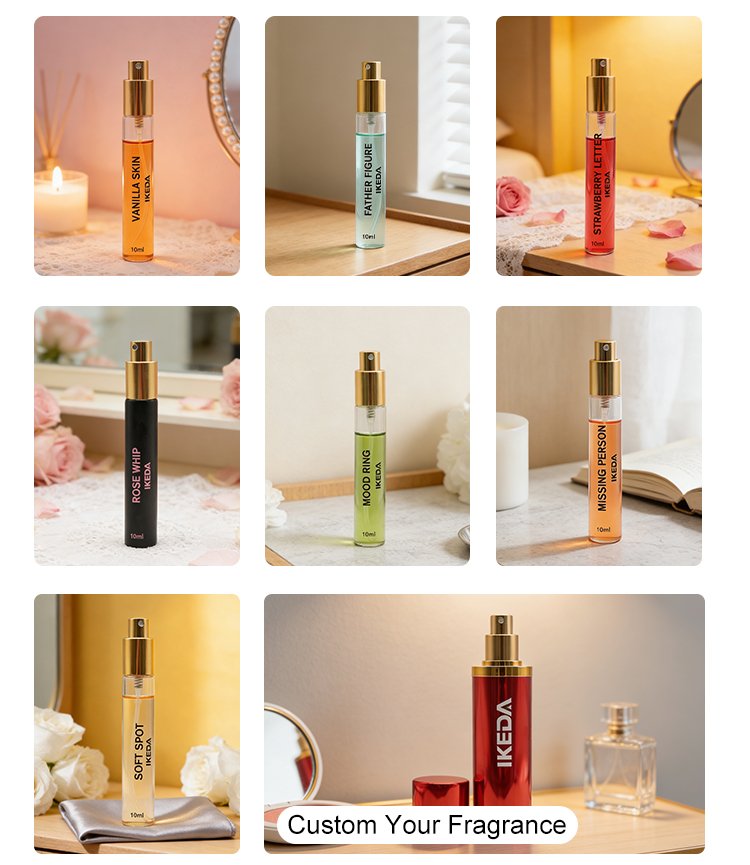
Private Label Perfume Solutions
Support includes:
- Product development
- Packaging customization
- Production management
Reliable Manufacturing Capability
Experienced manufacturers help ensure:
- Consistent quality
- Stable production
- International supply support
For brands entering the Middle East fragrance market, choosing the right manufacturing partner can significantly improve product development efficiency and market competitiveness.

Frequently Asked Questions (FAQ)
What are the most popular perfume notes in the Middle East market?
The most popular perfume notes include oud, amber, musk, rose, saffron, vanilla, and woody accords.
Why is oud so popular in Arabian perfumes?
Oud is popular because it represents luxury, tradition, and exclusivity. It also provides excellent longevity and a rich fragrance profile.
Can perfume manufacturers create custom Arabian fragrances?
Yes. Professional perfume manufacturers can develop customized formulas based on target markets, brand positioning, and customer preferences.
What perfume concentration is preferred in Middle Eastern markets?
Many brands choose Eau de Parfum (EDP) or higher concentration formulas because consumers often prefer stronger and longer-lasting fragrances.
How long does custom perfume development take?
Development time depends on formula complexity, testing requirements, packaging selection, and production volume.
What is the MOQ for private label perfumes?
MOQ depends on bottle design, formula requirements, packaging, and production specifications.
How can brands select a perfume manufacturer?
Brands should evaluate:
- Manufacturing experience
- Fragrance development capability
- Quality control systems
- Production capacity
- Export experience
Conclusion
The Middle East perfume market offers significant opportunities for brands that understand local fragrance preferences.
Popular notes such as oud, amber, musk, rose, saffron, vanilla, and woody accords continue to influence consumer choices, while modern combinations are creating new opportunities for innovation.
For perfume brands planning to enter this market, partnering with an experienced perfume manufacturer can help transform fragrance ideas into successful products through professional development, production expertise, and customized solutions. Contact IKEDA perfume experts!