Developing a new perfume starts long before the first sample is produced. For perfume brands, retailers, distributors, and private label buyers, one of the most important steps is creating a clear fragrance brief for the perfume manufacturer.
A well-prepared fragrance brief helps your perfumer understand your brand, target customers, scent direction, product requirements, budget, and target market. It can also reduce unnecessary sampling rounds and make the custom fragrance development process more efficient.
Whether you are developing a private label perfume, custom fragrance, Eau de Parfum, Eau de Toilette, or body mist, this guide explains what information you should provide to your fragrance manufacturer before development begins.

What Is a Fragrance Brief?
A fragrance brief is a document that describes what you want your new perfume to smell like and what commercial and technical requirements the product needs to meet.
For a perfume manufacturer, a useful brief normally includes:
- Target customer
- Target market and sales channel
- Fragrance family
- Desired scent profile
- Key fragrance notes
- Reference perfumes
- Notes or characteristics to avoid
- Product type and concentration
- Target price
- Packaging direction
- Expected quantity
- Launch timeline

A simple description such as “We want a luxurious and fresh perfume” is usually not specific enough.
Instead, a stronger brief might describe the fragrance as:
“A fresh woody fragrance with a bright citrus opening, a clean aromatic heart and a soft musk-woody dry-down. The fragrance should feel modern, premium and suitable for everyday wear.”
This gives the perfumer a much clearer development direction.
1. Define Your Target Customer
Start with the person who will buy and wear the perfume.
Consider:
- Age group
- Gender positioning
- Lifestyle
- Price level
- Usage occasion
- Purchasing channel
- Geographic market
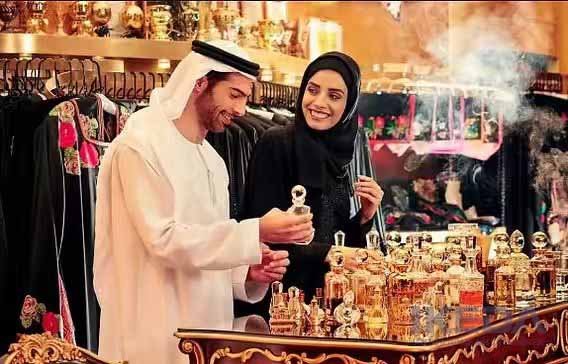
For example, a fragrance designed for a premium Middle Eastern market may require a different scent direction from an everyday fragrance developed for a mass-market European retailer.
Your target customer helps the manufacturer understand the intended positioning of the product.
2. Describe the Fragrance Direction
This is one of the most important parts of the fragrance development brief.
Start with the fragrance family you are considering, such as:
- Floral
- Woody
- Citrus
- Fresh
- Fruity
- Gourmand
- Amber
- Oriental
- Aromatic
- Musk
Then describe the desired character using two to five clear words.
For example:
Fresh / Clean / Elegant / Modern / Long-lasting
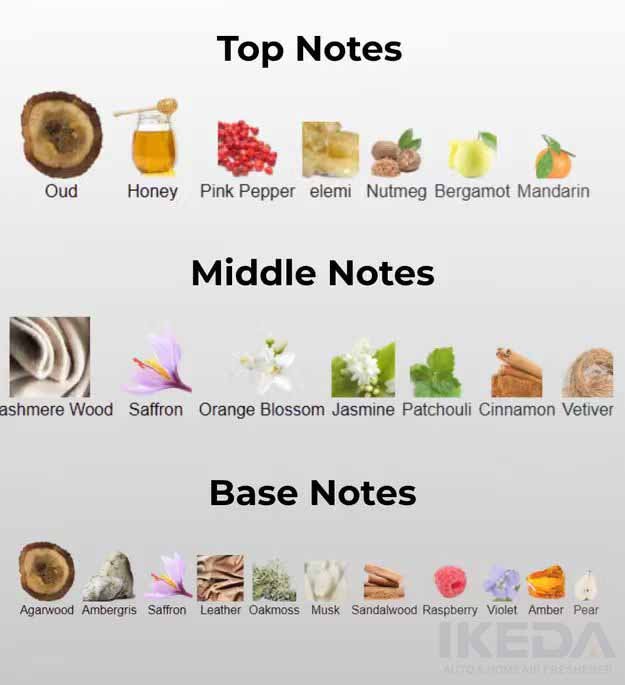
You can also describe the desired opening, heart and dry-down.
Example:
Top: Bergamot, citrus, fresh notes
Heart: Jasmine, white flowers
Base: Musk, cedarwood, amber
You do not need to know the exact formula. Your role as a buyer is to communicate the desired direction. The perfumer or fragrance development team can translate that direction into a workable fragrance composition.
3. Provide Reference Perfumes
Reference fragrances can make communication much easier.
If there are existing perfumes that represent the style you want, provide their names and explain what you like about them.
For example:
- I like the fresh opening of this fragrance.
- I like the woody dry-down.
- I prefer less sweetness.
- I want stronger projection.
- I like the floral heart but want a softer base.
Avoid simply saying:
“Make it similar to this perfume.”
Instead, explain which characteristics you want to use as a reference.
This gives the perfumer useful information while allowing the development team to create a fragrance that fits your own brand positioning.
4. Explain What You Do Not Want
A good fragrance brief should include both “must have” and “must avoid” characteristics.
For example:
Must have:
- Fresh citrus opening
- Clean musk
- Moderate sweetness
- Elegant dry-down
Must avoid:
- Heavy vanilla
- Strong powdery notes
- Excessive sweetness
- Smoky character
This can be especially helpful during sample revisions. Instead of saying “I don’t like this sample,” specific feedback tells the manufacturer what needs to change.
5. Specify the Product Type and Concentration
Tell your perfume manufacturer what type of finished product you are developing.
For example:
- Eau de Parfum (EDP)
- Eau de Toilette (EDT)
- Body Mist
- Perfume Oil
- Other fragrance formats
You should also communicate your expected fragrance concentration if you already have a target. Fragrance development is not only about achieving the desired scent profile. The fragrance composition also needs to be evaluated for its intended use and market. Scientific organizations such as the Research Institute for Fragrance Materials (RIFM) publish research and safety assessments related to fragrance ingredients.
The final fragrance performance depends on more than concentration alone. Formula composition, raw materials, product base, packaging and application all affect the final product.
6. Define Your Target Price
Price should be discussed early, not after the fragrance has already been developed.
Tell your manufacturer your approximate target cost or product positioning.
For example:
- Mass market
- Mid-market
- Premium
- Luxury
If you have a target finished-product cost, provide it where possible.
This allows the fragrance development team to consider the commercial requirements of the project from the beginning rather than reformulating the product later because the final cost is too high.
7. Include Packaging Requirements
Fragrance development does not happen independently from packaging.
Your brief should include basic packaging information when available:
- Bottle size
- Bottle type
- Glass or other material
- Pump/sprayer
- Cap
- Decoration
- Box
- Label
- Gift set requirements
For example, if you are developing a 50ml Eau de Parfum with a heavy glass bottle, custom cap and premium decoration, the manufacturer service needs to understand this before finalizing the product specification.
Packaging components can also affect compatibility, appearance, production and overall cost.
8. Specify Your Target Market
Your destination market is important for product development and compliance planning.
Tell your manufacturer where you plan to sell the perfume, such as:
- European Union
- United Kingdom
- United States
- Middle East
- Southeast Asia
- Africa
- Other international markets
Different markets may have different documentation, labeling and regulatory requirements. Your manufacturer can then assess the project according to the intended market.
Regulatory requirements should always be confirmed for the specific destination market and product category before production.

9. Include Quantity and Launch Timeline
Your manufacturer also needs to understand the commercial scope of the project.
Include:
- Expected initial order quantity
- Number of fragrance SKUs
- Sample deadline
- Target production date
- Expected launch date
For example:
Initial quantity: 3,000 units
Fragrances: 2 SKUs
Sample approval: Within 4 weeks
Target launch: Q2
This helps the manufacturer evaluate production capacity, packaging sourcing and development timing. When developing a perfume for an international market, ingredient and labeling requirements should be considered during development rather than after the formula is finalized. Buyers can also use the European Commission’s CosIng database to review cosmetic ingredient information and regulatory references.
10. What Happens After You Submit the Brief?
Once your fragrance manufacturer receives the brief, the development process can usually move through several stages:
Fragrance Brief → Development Direction → Samples → Buyer Feedback → Refinement → Final Approval → Production
The exact process depends on the project.
Some buyers may start with an existing fragrance from a manufacturer’s fragrance library. Others may require a completely custom fragrance developed around a specific brand concept.

During sampling, feedback should be specific and prioritized. For example:
“Sample B has the right opening, but the dry-down is too sweet. Please reduce the vanilla character and make the woody base cleaner.”
This is much more useful than:
“We don’t like it. Please make it more luxurious.”
Clear feedback can help reduce unnecessary development rounds.
Fragrance Brief Checklist for B2B Buyers
Before contacting a perfume manufacturer, prepare the following information:
Brand
- Brand positioning
- Target customer
- Price segment
Fragrance
- Fragrance family
- Desired notes
- Mood and character
- Reference fragrances
- Notes to avoid
Product
- EDP / EDT / Body Mist
- Bottle size
- Target concentration
Packaging
- Bottle direction
- Cap and pump
- Decoration
- Secondary packaging
Commercial
- Target cost
- Initial quantity
- Number of SKUs
- Target launch date
Market
- Destination country or region
- Sales channel
- Required documentation
The more clearly these points are defined, the easier it is for your perfume manufacturer to evaluate the project and recommend the right development route.
Final Thoughts
A successful custom perfume project does not begin with simply asking a manufacturer to “make a nice fragrance.” It begins with a clear understanding of who the product is for, how it should smell, where it will be sold, how it should be packaged and what commercial requirements it needs to meet.
A professional fragrance brief gives your perfumer and manufacturing team a practical starting point for development, sampling and production.
If you are developing a private label perfume or custom fragrance for your brand, preparing your fragrance brief before requesting samples can make communication more efficient and help your manufacturer understand your project from the beginning.
Ready to Develop Your Fragrance?
Share your fragrance concept, target market, product requirements and packaging direction with our team.
Request a Custom Fragrance Development Quote →
Related B2B Resources:
- How Does Custom Fragrance Development Work?
- How to Choose the Right Perfume Bottle for Your Brand
- What Should You Prepare Before Requesting a Perfume Sample?
- Perfume Stability Testing: What B2B Buyers Should Know Before Mass Production