A Factory Insider Guide for Brand Owners, Importers & Distributors
At IKEDA, we are not writing as marketers—we are writing as a perfume OEM/ODM manufacturer with real production experience serving global B2B clients across Europe, North America, the Middle East, and Southeast Asia.
Over the years, we’ve supported brand owners, distributors, Amazon sellers, retail chains, and private label startups in developing and launching their fragrance products.
And we’ve noticed a clear pattern:
Most failed perfume projects are not caused by fragrance issues—but by wrong manufacturing decisions made at the beginning.
This guide is designed to help you avoid those mistakes.
You will learn:
- How perfume is actually manufactured inside a factory
- What really affects cost, MOQ, and quality
- How OEM/ODM/private label really differ in practice
- How global brands evaluate suppliers
- What most factories will NOT tell you
- How to reduce risk when launching a fragrance brand
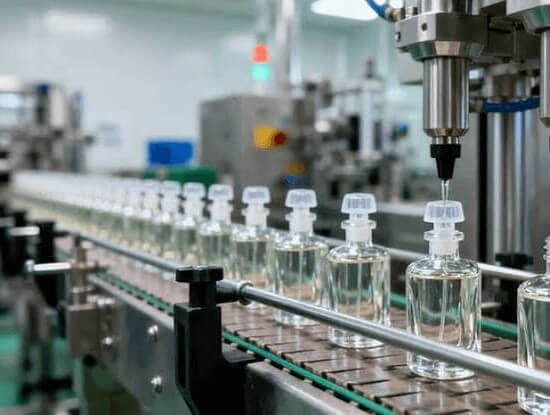
1. Why Custom Perfume Manufacturing Has Become a Global Trend
The global fragrance industry is undergoing a major shift.
Instead of investing in in-house production, most new brands today choose OEM / private label manufacturing.
Key market drivers:
- Rising demand for niche and personalized fragrances
- Growth of e-commerce beauty brands
- Faster brand launch cycles
- Lower barrier to entry via OEM factories
- Strong growth in Middle East luxury fragrance markets
- Retailers expanding private label product lines
Industry insight (factory observation):
In our OEM projects, we found:
More than 70% of new fragrance brands now start with private label or OEM manufacturing instead of building their own production facilities.
This shift has made manufacturing partners more important than ever.
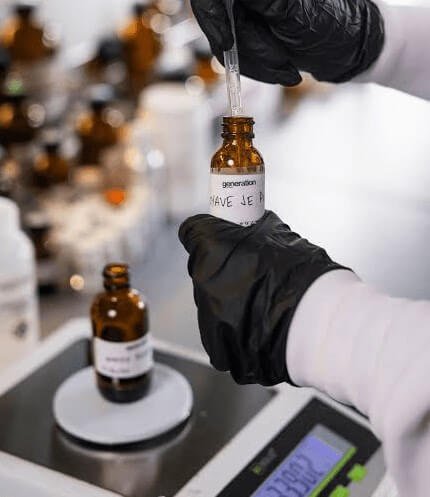
2. Who Custom Perfume Manufacturing Is Really For
Custom perfume manufacturing is not only for luxury brands.
It is widely used by:
Brand Owners
Building signature fragrance lines or expanding beauty portfolios
Importers & Distributors
Supplying retail chains and wholesalers
Amazon & E-commerce Sellers
Launching fast-moving private label products
Hotel & Spa Brands
Developing signature scents for customer experience
Gift & Lifestyle Companies
Seasonal and premium gift sets
Retail Chains & Supermarkets
Private label fragrance programs
Each of these categories has different requirements in:
- MOQ
- Packaging
- Pricing structure
- Lead time
- Certification needs
3. What Actually Happens Inside a Perfume Factory (Real OEM Workflow)
This is the part most online guides completely miss.
Below is the real production process used in OEM perfume manufacturing at IKEDA.
Step 1: Raw Material Inspection
Every batch begins with strict inspection of:
- Fragrance oils
- Alcohol base
- Glass bottles
- Pumps & sprayers
- Packaging materialsRisk controlled at the earliest stage prevents mass production failure.
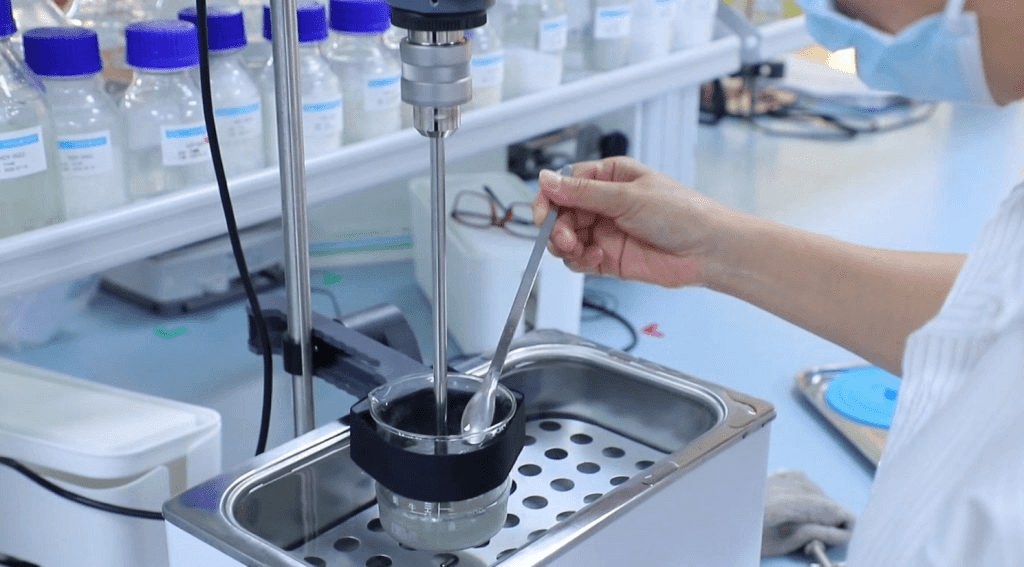
Step 2: Fragrance Compounding
Perfumers blend:
- Top notes (initial impression)
- Middle notes (fragrance identity)
- Base notes (longevity)
Common issue we solve for clients:
Many beginner brands choose fragrances that smell good in sample but fail in stability after production scaling.
Step 3: Aging / Maceration (Critical Step)
Unlike simple mixing, professional perfumes require aging time.
Typical duration:
- 7–30 days depending on formula
Why it matters:
- Improves scent balance
- Stabilizes chemical structure
- Enhances longevity
Most low-cost suppliers skip or shorten this step—which directly affects product quality.
Step 4: Filtration Process
After aging:
- Micro-filtration removes impurities
- Ensures clarity and stability
- Prevents clogging in spray system
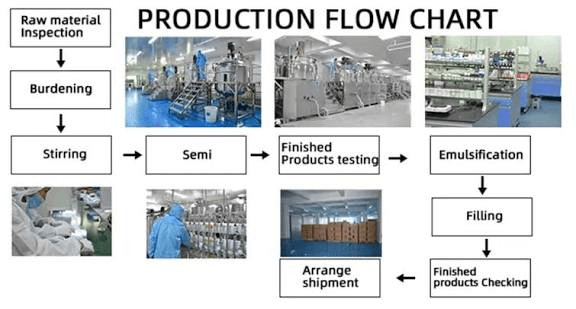
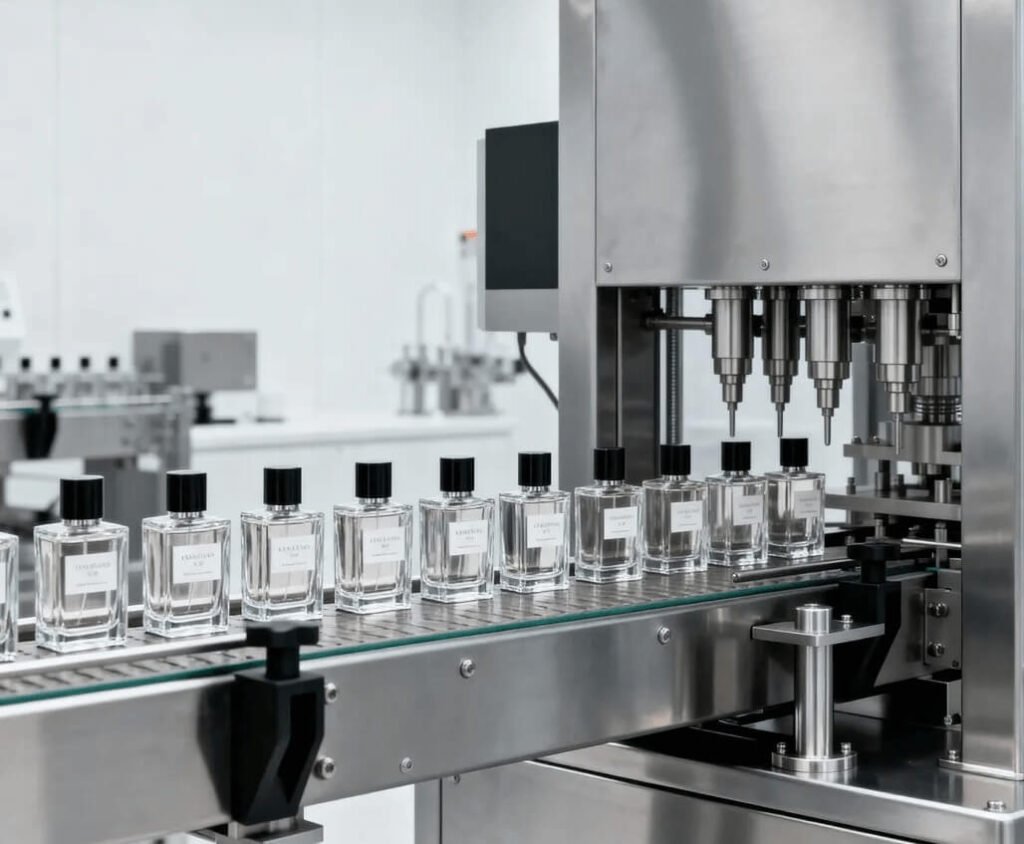
Step 5: Vacuum Filling & Bottle Customization
We use controlled filling systems to ensure:
- Precise volume accuracy
- Reduced alcohol evaporation
- Consistent batch quality
Step 6: Crimping & Assembly
Includes:
- Pump sealing
- Cap installation
- Leakage prevention control
Step 7: 100% Quality Inspection
Each batch undergoes:
- Leak testing
- Spray performance test
- Drop simulation test
- Packaging inspection
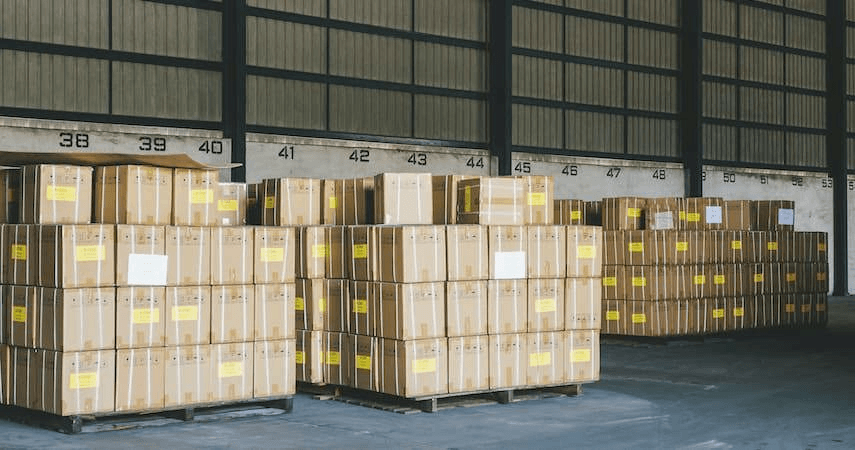
Step 8: Carton & Export Packing
Final custom perfume packaging includes:
- Retail box assembly
- Barcode labeling
- Export carton reinforcement
- Container loading inspection
4. Perfume Quality Control System (IKEDA Standard)
Quality control is not a single step—it is a system.
Our QC structure:
Incoming Quality Control (IQC)
- Raw material verification
In-Process Quality Control (IPQC)
- Monitoring during production
Final Quality Control (FQC)
- Finished product inspection
Export Quality Control (OQC)
- Final shipment check
Additional stress tests:
- Temperature resistance test
- Drop test simulation
- Leakage pressure test
- Spray consistency test
This system ensures that products remain stable during global shipping conditions.
5. How Perfume Manufacturing Cost Is Really Determined
One of the most misunderstood topics in the industry.
The cost is NOT random—it is driven by:
1. Fragrance Oil Cost
Natural extracts cost significantly more than synthetic blends.
2. Bottle Complexity
Custom molds = higher upfront tooling cost
3. Packaging Level
- Standard box
- Gift box
- Luxury rigid box
4. MOQ Level
Higher MOQ = lower unit cost
5. Certification Requirements
IFRA / MSDS / export compliance adds cost but ensures market access, when exporting perfume products to the United States, brands should also understand cosmetic requirements published by the U.S. Food and Drug Administration (FDA).
6. OEM vs ODM vs Private Label (Real Factory Explanation)
| Model | Meaning | Best For |
|---|---|---|
| OEM | Fully customized formula | Established brands |
| ODM | Existing formula + customization | Fast market entry |
| Private Label | Ready product + branding | Startups & Amazon sellers |
7. Top 10 Mistakes New Perfume Brands Make (Factory Experience)
Based on real project failures:
1. Choosing supplier only by price
2. Ignoring fragrance stability testing
3. Over-designing packaging too early
4. Not understanding MOQ structure
5. Skipping sample validation cycles
6. Ignoring export compliance (IFRA/MSDS)
7. Poor market positioning
8. Unrealistic cost expectations
9. No shipping test validation
10. Weak supplier verification
8. How to Choose a Reliable Perfume Manufacturer
A reliable perfume manufacturer should support international fragrance safety standards and provide compliance documents before production.
- Can you provide previous OEM case studies?
- Do you control production or outsource?
- What fragrance library do you offer?
- Do you support IFRA compliance?
- What QC tests are performed?
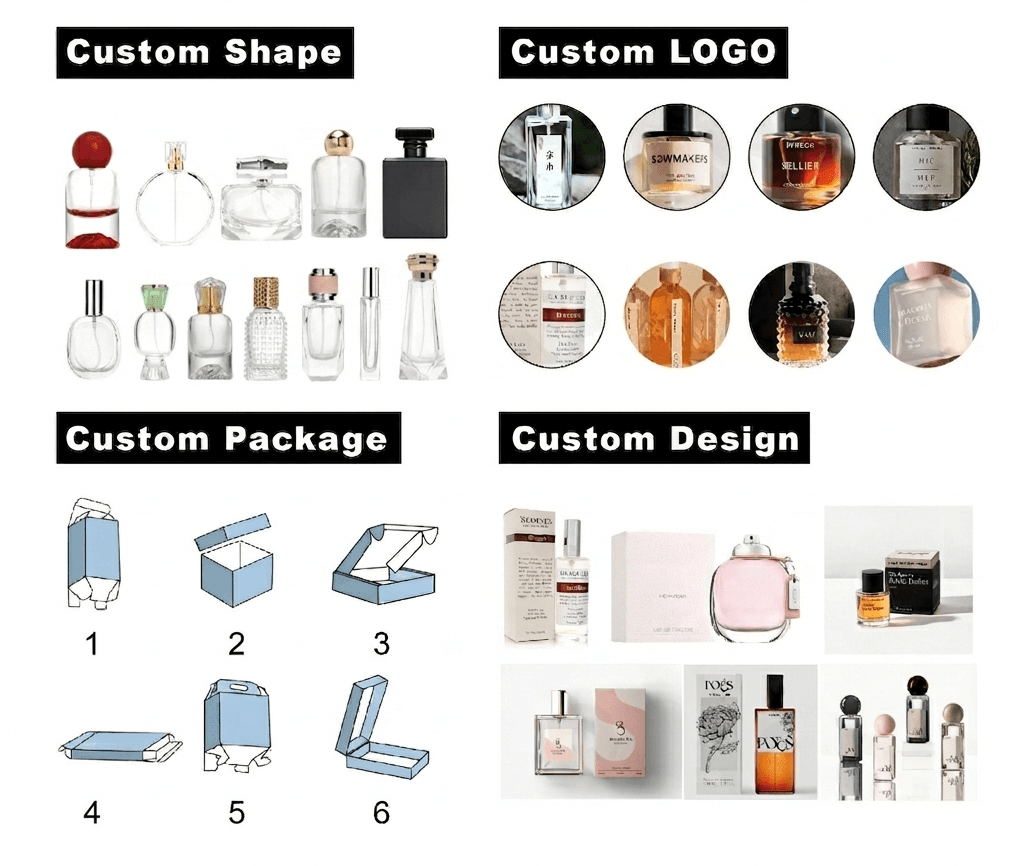
- Can you customize bottles and packaging?
- What is your average lead time?
- Can I visit your factory or audit production?
- What is your monthly capacity?
If a supplier cannot answer clearly, it is a risk indicator.
9. Why Global Brands Work with IKEDA
IKEDA is not just a supplier—we are a manufacturing partner.
Our capabilities:
- OEM & ODM perfume production
- Private label fragrance development
- 300+ fragrance formulations
- Low MOQ solutions for startups
- Full packaging customization
- Export experience across 30+ countries
- Strict multi-stage QC system
- Stable production capacity for scale brands
What makes us different:
We don’t just produce perfumes—we help brands reduce launch risk.
10. Frequently Asked Questions
How long does custom perfume manufacturing take?
Most OEM perfume projects take between 30 and 90 days, depending on product complexity, packaging customization, and production scheduling.
What is the MOQ for custom perfume?
Ranges from 1000–5000000 pcs depending on structure.
Can I create my own fragrance?
Yes, through OEM fragrance development.
Do you support international shipping?
Yes, we export globally with full documentation support.
Does IKEDA support OEM and ODM perfume manufacturing?
Yes. IKEDA provides OEM, ODM, and private label perfume manufacturing services, including fragrance development, packaging customization, quality inspection, and international export support for global brands.
Final Conclusion: What Really Determines Success in Perfume Manufacturing
Custom perfume manufacturing is not just about creating a fragrance—it is about building a scalable, stable, and compliant supply chain that supports long-term brand growth.
From our factory experience at IKEDA, the brands that succeed share one common decision:
They choose the right manufacturing partner before they choose the fragrance.
Because in the perfume industry:
- Fragrance creates emotion
- Manufacturing creates consistency
- Quality creates trust
- Supply chain creates scale
If you are planning to launch or expand a fragrance brand, your success depends not only on the product—but on the manufacturing system behind it.
End CTA
If you are developing a perfume brand or planning to expand your fragrance product line, IKEDA can support your project from concept to global production.
We provide:
- OEM/ODM consultation
- Packaging catalog
- Customized quotation based on your market
Contact our team to start your custom perfume project today.