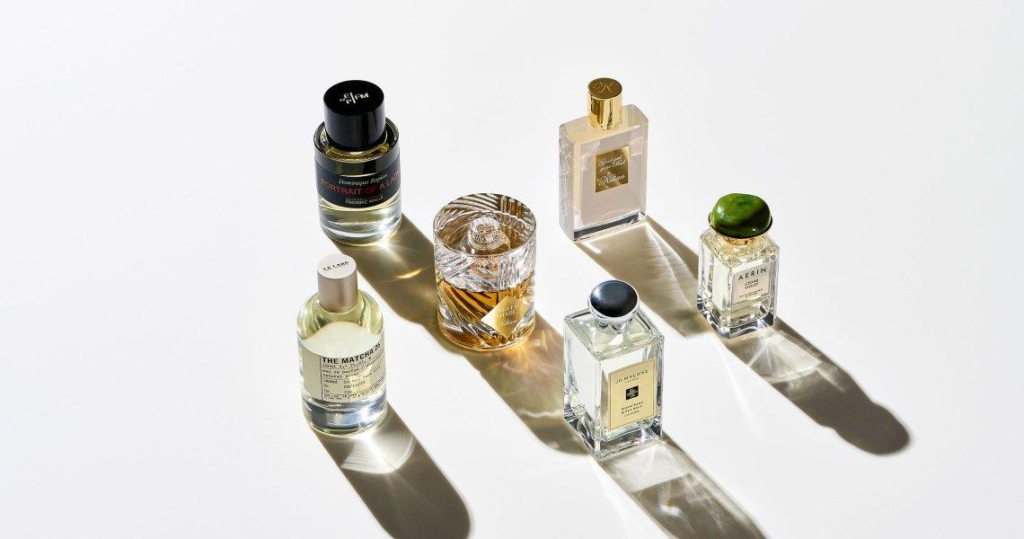
The global perfume industry continues to expand as consumers increasingly seek personalized scent experiences and differentiated brands. For importers, distributors, wholesalers, and brand owners, Selecting the right fragrance direction is one of the most critical steps when working with a private label perfume manufacturer to develop a competitive product line.
A well-structured fragrance portfolio not only improves market acceptance but also helps brands establish clear positioning across different consumer segments. From mass-market retail collections to premium niche products, choosing commercially proven fragrance types can significantly reduce product development risk and improve long-term sales performance.
Based on global retail trends, OEM/ODM production experience, and B2B buyer demand patterns, the following ten fragrance types consistently perform well across Europe, North America, Southeast Asia, and the Middle East. Professional custom fragrance development allows brands to create differentiated scent identities tailored to target markets.

1. Floral – Core Category for Women’s Private Label Perfume
Floral fragrances remain one of the most stable and best-selling categories in the global fragrance market. Notes such as rose, jasmine, peony, and lily are widely recognized by consumers and commonly associated with elegance and femininity.
For private label perfume brands, floral fragrances often serve as core products due to their broad consumer acceptance. They can be positioned in both affordable and premium product ranges and are easy to combine with fruity or musky accords to create modern variations.
From a commercial perspective, floral scents are often recommended as entry products when launching a new perfume brand, as they typically demonstrate steady year-round demand. Floral fragrances are often used as core products in a women’s perfume product line due to their broad consumer acceptance.
2. Citrus – Fresh and Versatile for Everyday Use
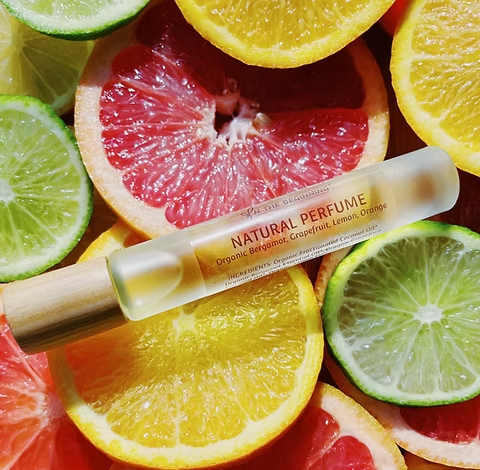
Citrus fragrances are known for their clean and refreshing characteristics. Ingredients such as bergamot, lemon, orange, and grapefruit create a light scent profile suitable for daily wear and warm climates.
These fragrances are particularly popular in Southeast Asia, Southern Europe, and other regions where consumers prefer fresh and energizing scents. Because of their universal appeal, citrus-based perfumes are frequently used in unisex collections and lifestyle-oriented brands.
For B2B buyers, citrus fragrances are often selected to complement floral products and expand entry-level product lines.
3. Woody – Premium Positioning with Strong Market Recognition
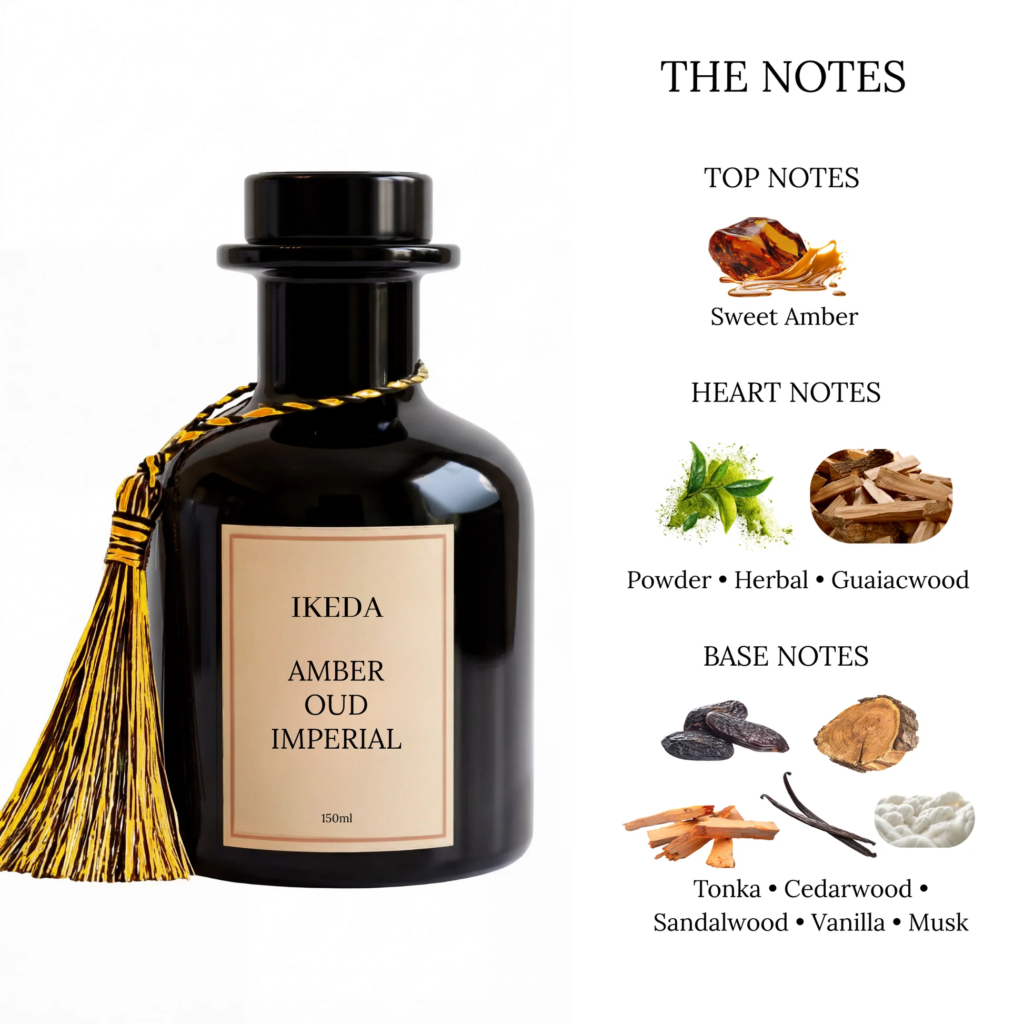
Woody fragrances are commonly associated with sophistication and depth. Sandalwood, cedarwood, patchouli, and vetiver are frequently used to create long-lasting scent profiles with strong identity.
These fragrances are widely used in men’s private label perfume collections and premium unisex product lines. Woody scent structures are frequently used in premium fragrance collections targeting higher-end retail markets, making them a reliable choice for OEM manufacturing
Because of their perceived quality, woody fragrances can support higher retail price positioning and improve brand image.
4. Fruity – Strong Appeal for Younger Consumer Segments
Fruity fragrances featuring apple, peach, pear, cherry, and berry notes are widely used in contemporary perfume collections targeting younger demographics.
These scents are often associated with energy, creativity, and approachability. They are particularly effective in social media-driven marketing strategies where visual identity and emotional storytelling play important roles.
For private label brands entering online retail channels, fruity fragrances can help create accessible and trend-driven product lines.
5. Oriental – High-Value Category for Luxury Markets
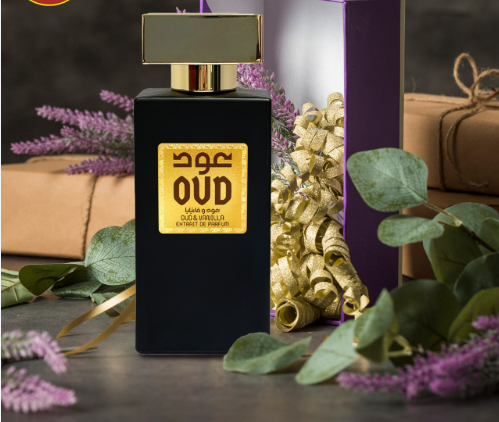
Oriental fragrances combine warm notes such as amber, vanilla, spices, and resins to create rich and long-lasting scent experiences. These fragrances perform strongly in premium markets and are particularly popular in the Middle East.
Oriental perfume structures are often used to communicate exclusivity and sophistication. For brand owners targeting high-end positioning, this fragrance category can enhance perceived value and brand differentiation.
Due to their intensity and longevity, oriental fragrances are commonly used for evening perfume collections.
6. Aquatic – Modern Freshness for Unisex Collections
Aquatic fragrances are inspired by marine environments, creating clean and subtle scent impressions associated with freshness and comfort.
These fragrances are widely accepted across gender categories and are frequently included in lifestyle perfume brands. Their balanced scent strength makes them suitable for daily wear, particularly in warmer climates. According to industry data on global fragrance market growth, demand for private label perfume continues to expand steadily.
For distributors seeking versatile fragrance options, aquatic profiles can serve as safe additions to a balanced product portfolio.
7. Gourmand – Fast-Growing Trend in Niche Perfume Markets
Gourmand fragrances feature edible-inspired notes such as vanilla, caramel, chocolate, almond, and coffee. Over the past decade, this fragrance direction has grown significantly in popularity, especially in Europe and North America.
Consumers often associate gourmand scents with comfort and warmth, making them suitable for seasonal launches during autumn and winter. For private label perfume brands seeking differentiation, gourmand fragrances offer a distinctive identity that can attract niche audiences.
These scent profiles are often used in boutique perfume collections and gift sets.
8. Green – Supporting Natural and Sustainable Brand Concepts
Green fragrances are typically inspired by herbs, tea leaves, grass, and fresh foliage. These scent profiles communicate purity and are often aligned with eco-friendly branding concepts.
As consumer interest in sustainability continues to increase, green fragrances can support product storytelling related to natural ingredients and responsible sourcing.
Private label perfume brands positioning themselves around wellness, minimalism, or environmental awareness often include green fragrance options.
9. Spicy – Distinctive Signature for Brand Differentiation
Spicy fragrances incorporate ingredients such as cinnamon, pepper, cardamom, and clove to create bold and memorable scent impressions.
Although considered less mainstream, spicy notes can add depth and uniqueness to fragrance compositions. They are often blended with woody or oriental accords to create premium perfume profiles.
For niche perfume brands seeking a distinctive market identity, spicy fragrances can provide strong differentiation in competitive retail environments.
10. Musk – Essential Base Note for Long-Lasting Performance
Musk is widely used as a base note due to its ability to enhance fragrance longevity and provide a soft skin-like scent impression.
Musk-based compositions are commonly used in both men’s and women’s perfumes due to their versatility and broad acceptance. In OEM perfume production, musk ingredients often contribute to scent stability and overall performance.
Because of these characteristics, musk remains an essential component in many private label fragrance formulations.
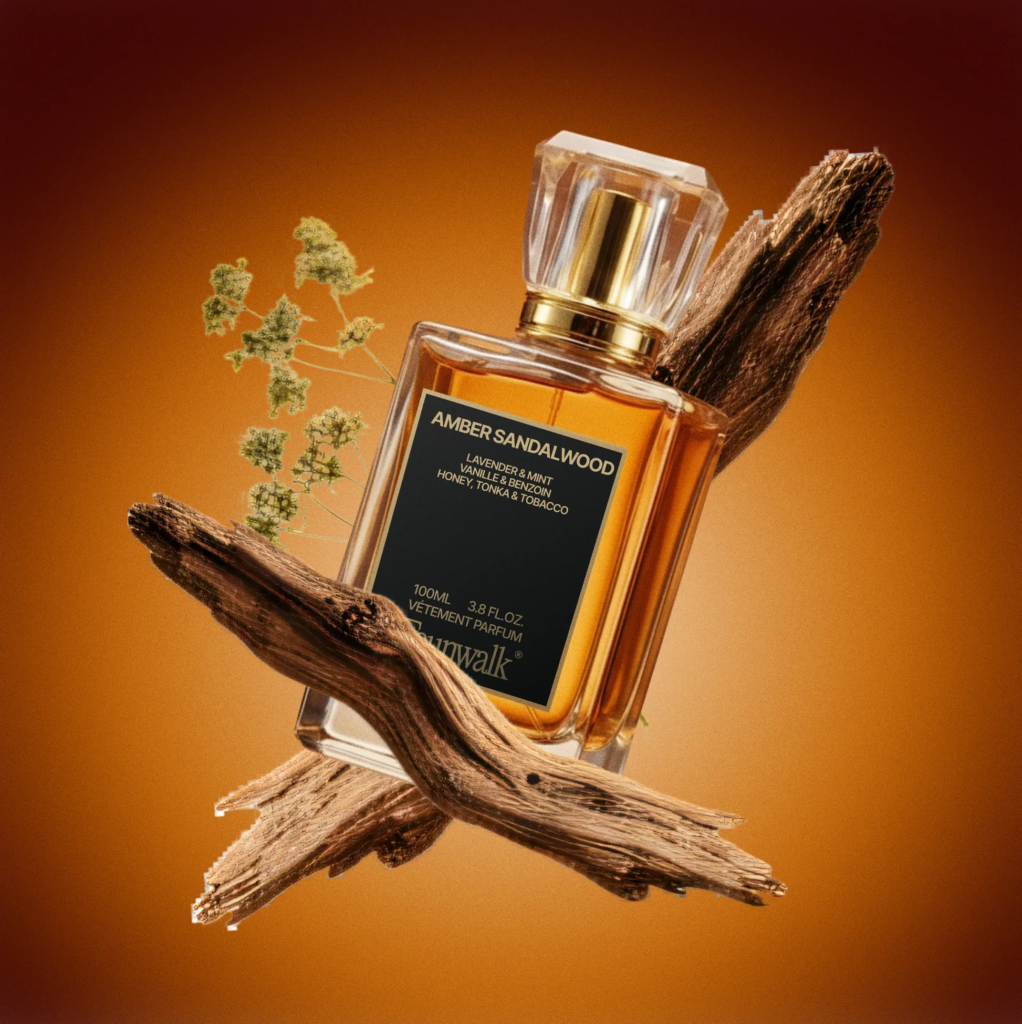
Market Demand Overview for Private Label Perfume Fragrance Types
When developing a new perfume collection, understanding relative demand levels can help guide product selection strategy.
High demand categories
- Floral
- Citrus
- Woody
- Fruity
Growing trend categories
- Gourmand
- Green
- Aquatic
Premium niche categories
- Oriental
- Spicy
- Musk-focused compositions
Combining high-demand fragrances with niche scent profiles can improve product competitiveness and reduce reliance on a single market segment.Understanding current demand patterns through a global fragrance trends report can help brands make more informed product decisions.
Recommended Product Line Structure for New Private Label Perfume Brands
For brand owners launching a new perfume line, a balanced product structure can improve market testing efficiency and reduce inventory risk.
A typical starting collection may include:
• 2 core bestselling fragrances (Floral, Citrus)
• 2 premium-positioning fragrances (Woody, Oriental)
• 2 trend-driven fragrances (Gourmand, Fruity)
• 1 fresh unisex fragrance (Aquatic)
• 1 natural concept fragrance (Green)
• 1 distinctive niche fragrance (Spicy or Musk)
This structure allows brands to evaluate market feedback across multiple scent directions while maintaining a consistent brand identity.
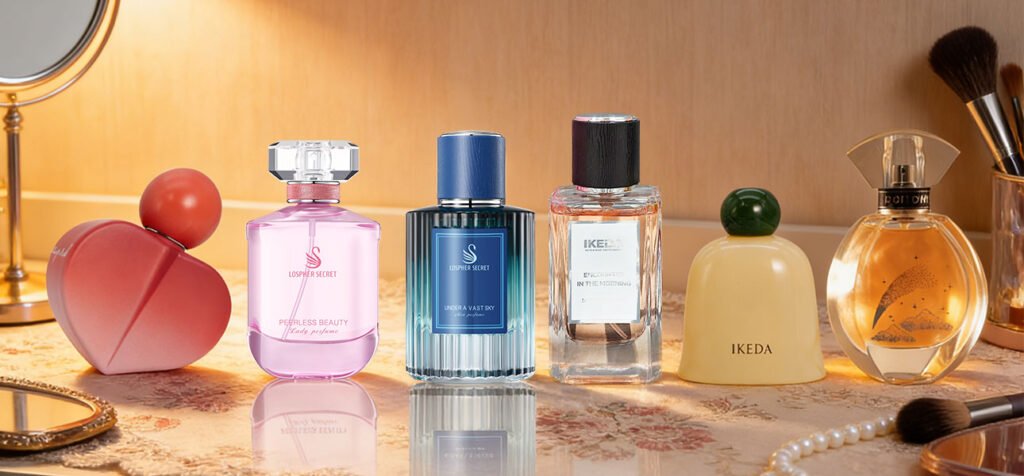
OEM and ODM Considerations When Selecting Perfume Fragrance Types
When working with a private label perfume manufacturer, fragrance selection should also consider technical and regulatory factors. A professional OEM perfume manufacturing process ensures consistent fragrance performance and stable quality.
Important aspects include:
Fragrance Stability
Certain fragrance ingredients perform better in alcohol-based formulations and maintain consistency during storage and transportation.
Longevity Expectations
Different scent structures influence how long the fragrance lasts on skin or fabric. Woody, oriental, and musk-based fragrances typically demonstrate stronger longevity.
IFRA Compliance
International fragrance standards influence ingredient usage levels in global markets. Working with experienced OEM manufacturers ensures compliance with export requirements.
Packaging Compatibility
Some fragrance formulations interact differently with packaging materials. Stability testing ensures consistent product quality.
MOQ Planning
Selecting a balanced fragrance portfolio helps optimize minimum order quantities across multiple SKUs.

Conclusion
Selecting the right fragrance types is a key step in building a competitive private label perfume brand. By combining commercially proven scent categories with emerging consumer trends, distributors and brand owners can create product lines that appeal to diverse market segments.
Floral, citrus, woody, and fruity fragrances continue to demonstrate stable global demand, while gourmand, green, and spicy scent profiles provide opportunities for differentiation.
Working with an experienced OEM or ODM perfume manufacturer allows B2B buyers to transform these fragrance concepts into market-ready products efficiently and reliably.
With a strategic approach to fragrance selection and product line planning, private label perfume brands can improve market entry success, strengthen brand identity, and achieve sustainable growth in the global fragrance industry.
To contact us:
Contact us for a free consultation and we will provide you with a quote.