The global fragrance market continues to grow rapidly, creating strong opportunities for importers, distributors, wholesalers, retailers, and e-commerce sellers. If you are planning to launch a perfume brand, one of the first decisions you will face is choosing between OEM perfume manufacturing and ODM perfume manufacturing.
Understanding the difference between OEM vs ODM perfume helps you reduce development risk, control costs, and select the most suitable production solution for your business model.
Whether you are building a premium fragrance brand or testing new product lines, this guide explains everything B2B buyers need to know.
Quick Comparison: OEM vs ODM Perfume
| Factor | OEM Perfume | ODM Perfume |
|---|---|---|
| Product Design | Fully customized | Based on existing designs |
| Fragrance Formula | Exclusive | Ready-made |
| Brand Ownership | Fully owned | Private label |
| Customization Level | High | Medium |
| MOQ | Medium to High | Low to Medium |
| Development Time | Longer | Faster |
| Cost | Higher upfront investment | Lower startup cost |
| Market Entry Speed | Moderate | Fast |
| Suitable for | Established brands | Startups & distributors |
What is OEM Perfume Manufacturing?
OEM (Original Equipment Manufacturer) perfume refers to fragrance products manufactured based on your original requirements, including scent formula, packaging design, and branding elements.
With OEM production, buyers have full control over product specifications:
Customizable Elements in OEM Perfume
Fragrance Development
- Unique scent profile (floral, woody, citrus, oriental)
- Fragrance concentration (EDT, EDP, Parfum)
- Long-lasting performance level
- Ingredient preferences (natural, vegan formulas)
- Bottle shape and material
- Bottle capacity (30ml / 50ml / 100ml)
- Cap style and spray pump
- Paper box design
- Label artwork
Brand Positioning Options
- Luxury perfume collections
- Niche fragrance brands
- Celebrity perfume lines
- Premium gift sets
Advantages of OEM Perfume for B2B Buyers
- Exclusive fragrance formula
- Strong brand differentiation
- Full control over packaging design
- Higher perceived product value
- Long-term brand competitiveness
OEM is commonly chosen by companies that want to build a recognizable fragrance brand in competitive markets such as Europe and North America.
What is ODM Perfume Manufacturing?
ODM (Original Design Manufacturer) perfume refers to fragrance products based on existing formulas and packaging designs developed by the manufacturer.
This model is also widely known as private label perfume.
Buyers can select products directly from the supplier’s fragrance catalog and customize brand elements.
Customizable Elements in ODM Perfume
- Logo printing on bottle or packaging
- Label design customization
- Packaging artwork changes
- Bottle color options
- Minor fragrance adjustments (in some cases)
Advantages of ODM Perfume for B2B Buyers
- Faster product launch timeline
- Lower initial investment
- Lower MOQ requirement
- Proven fragrance options
- Flexible product selection
ODM is ideal for distributors, online sellers, and retailers who want to introduce fragrance products quickly.
OEM vs ODM Perfume: Which Option is Better for Your Business?
Choosing between OEM and ODM depends on your business goals, budget, and target market positioning.
Choose OEM Perfume if you are:
- Building a premium perfume brand
- Creating a signature fragrance line
- Targeting high-end retail channels
- Developing long-term brand value
- Planning large-volume production
Choose ODM Perfume if you are:
- Launching a new brand
- Testing market demand
- Expanding product categories quickly
- Selling through e-commerce platforms
- Looking for lower MOQ solutions
Many successful brands begin with ODM products and later upgrade to OEM fragrances products after validating market demand.
Typical MOQ for OEM and ODM Perfume
Perfume minimum order quantity requirements varies depending on packaging complexity and formula customization.
OEM Perfume MOQ (Typical Range)
- 5,000 – 10,000 pcs per fragrance
- Depends on bottle mold requirements
- Suitable for large distributors or established brands
ODM Perfume MOQ (Typical Range)
- 1,000 – 3,000 pcs per fragrance
- Faster sampling timeline
- Lower inventory risk
Lower MOQ options are increasingly popular among online sellers and niche brands.
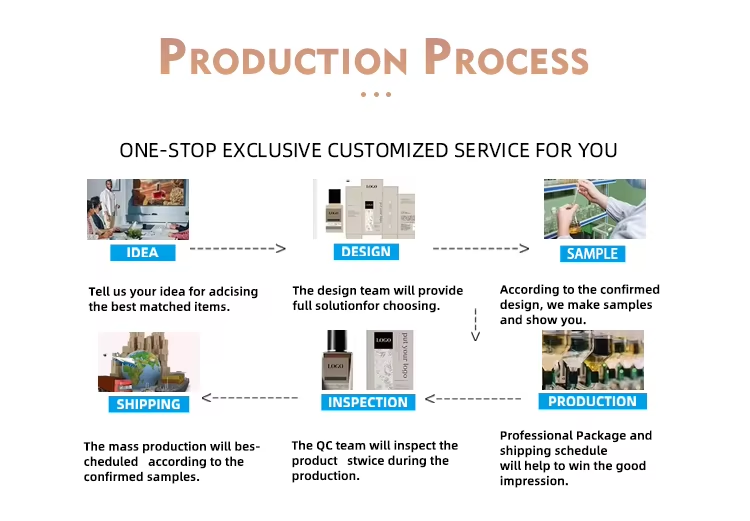
Development Timeline Comparison
OEM Perfume Timeline
- Product concept discussion
- Fragrance formulation
- Sample testing
- Packaging design development
- Pre-production confirmation
- Mass production
Typical timeline: 4–8 weeks
ODM Perfume Timeline
- Select fragrance from catalog
- Confirm packaging style
- Submit logo artwork
- Sample confirmation
- Production
Typical timeline: 2–4 weeks
ODM allows faster market entry, especially for seasonal product launches.

Compliance Requirements for Global Perfume Markets
Professional perfume manufacturers usually support documentation required for international markets.
Common compliance documents include:
- IFRA compliance
- MSDS documentation
- ingredient safety information
- EU cosmetic regulation
- packaging material safety standards
These documents are important when selling in Europe, North America, and Southeast Asia.
OEM and ODM Perfume Applications in Different Sales Channels
OEM and ODM fragrances are widely used across various B2B channels:
Importers and Distributors
Expand fragrance product lines efficiently
Retail Chains
Develop private label perfume collections
E-commerce Sellers
Launch branded fragrance products with lower investment risk
Beauty Brands
Extend product categories with fragrance lines
Promotional Gift Companies
Offer branded fragrance gift sets
Private label perfume demand continues growing as brands look for differentiated product offerings.
Frequently Asked Questions (FAQ)
Is private label perfume the same as ODM perfume?
In most cases, private label perfume refers to ODM manufacturing, where buyers use existing formulas and customize branding elements.
Can I customize perfume packaging with low MOQ?
Yes, many manufacturers offer flexible packaging options, especially for ODM projects.
How long does it take to develop OEM perfume?
OEM perfume development typically takes 4–8 weeks depending on fragrance complexity and packaging requirements and perfume market growth trends.
How to Choose a Reliable OEM or ODM Perfume Manufacturer
When selecting a supplier, consider the following factors:
- fragrance development capability
- packaging customization options
- MOQ flexibility
- production capacity
- export experience
- quality control process
- compliance support
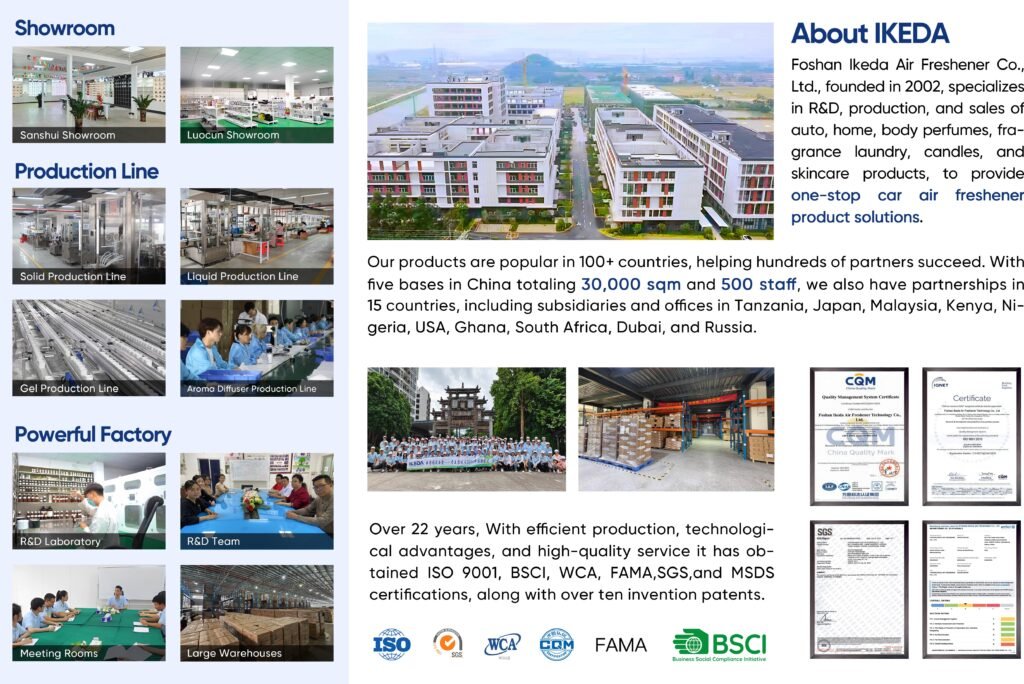
Working with an experienced manufacturer helps ensure stable product quality and consistent supply.
Conclusion
Both OEM and ODM perfume manufacturing offer effective solutions for companies entering or expanding in the fragrance market.
OEM provides maximum customization and brand exclusivity, while ODM offers faster product launch and lower investment cost.
By understanding the differences between OEM and ODM perfume, B2B buyers can choose the most suitable strategy for their business growth.
Looking for OEM or ODM Perfume Manufacturer?
If you are planning to develop private label perfume products, working with a professional manufacturer can help simplify the process.
You can request:
- fragrance catalog
- packaging options
- MOQ details
- quotation
- sampling support
A reliable OEM or ODM partner can help you launch competitive fragrance products efficiently.