
The global fragrance market continues to show steady growth, driven by rising demand for personalized scents, niche brands, and premium lifestyle products. In 2026, private label perfume has become one of the most attractive product categories for distributors, retailers, e-commerce sellers, and entrepreneurs looking to build their own brand with controlled investment.
Compared with developing a factory independently, working with an OEM perfume manufacturer allows businesses to launch products faster, reduce operational complexity, and focus on branding and sales.
However, many buyers still have important questions:
- How does private label perfume work?
- What is the typical MOQ?
- How long does production take?
- How much customization is possible?
- How do you choose a reliable perfume manufacturer?
This complete guide explains the step-by-step process to start a private label perfume brand in 2026, covering fragrance development, packaging options, MOQ expectations, timeline planning, and key factors that influence product success in competitive markets.
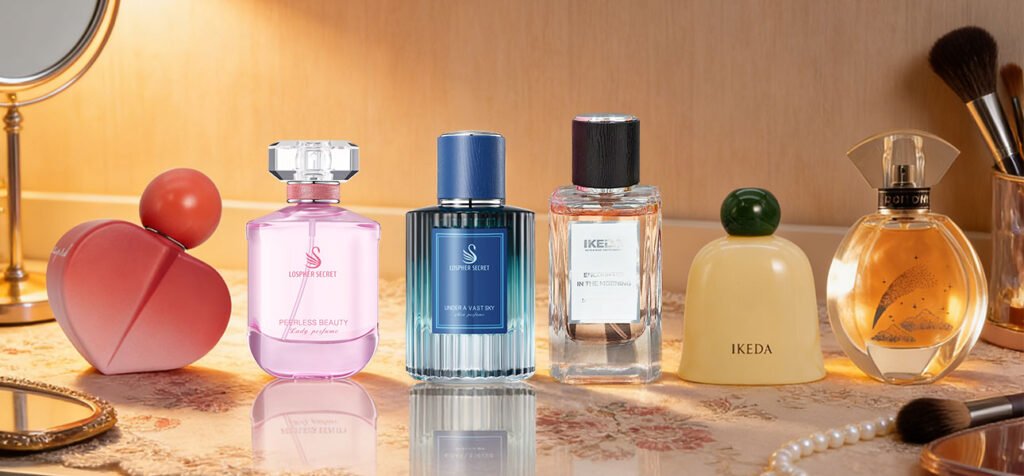
1. Private Label Perfume Market Opportunity in 2026
The perfume industry has evolved significantly over the past decade. Consumers are no longer limited to large luxury brands. Instead, many buyers are interested in:
- niche fragrance brands
- personalized scent collections
- lifestyle-focused products
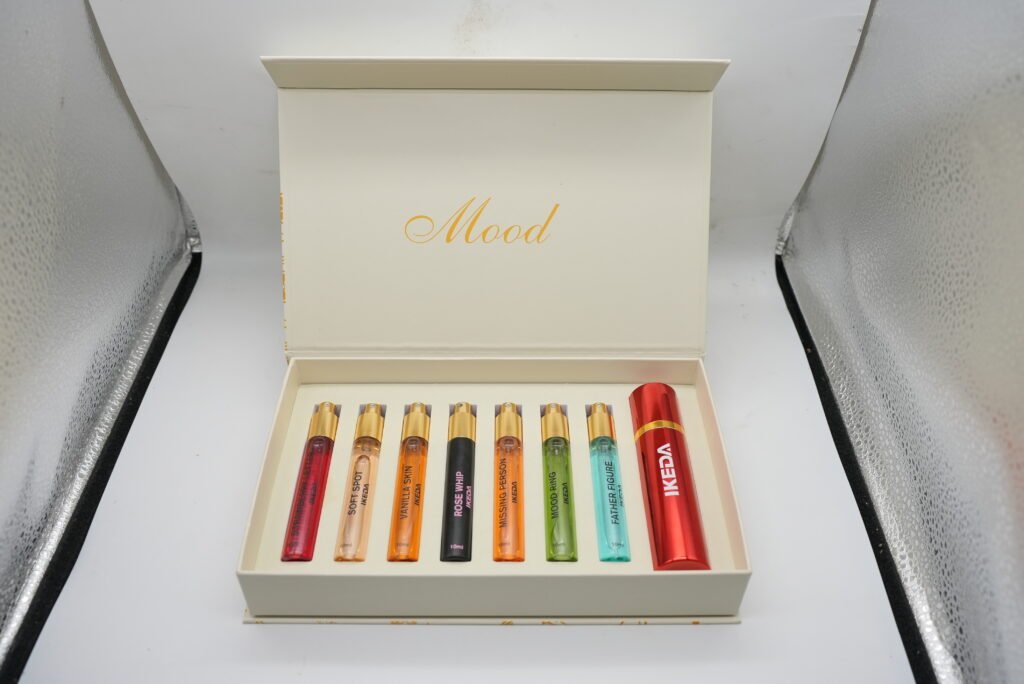
- giftable perfume sets
- eco-conscious packaging concepts
For wholesalers and brand owners, private label perfume offers several advantages:
- relatively low entry barrier
- flexible customization options
- scalable production volumes
- strong branding potential
- high perceived value
- suitable for online and offline channels
Private label fragrance is especially suitable for:
- distributors
- importers
- beauty retailers
- Amazon sellers
- boutique brand owners
- lifestyle product companies
- gift suppliers
With the support of experienced private label perfume manufacturers, new brands can enter the market more efficiently than ever before.
2. Step 1 – Define Your Brand Positioning
Before contacting a perfume OEM factory, it is important to clarify your brand direction. Clear positioning helps suppliers recommend suitable fragrance styles, packaging solutions, and cost structures.
Identify your target market
Different markets show different fragrance preferences:
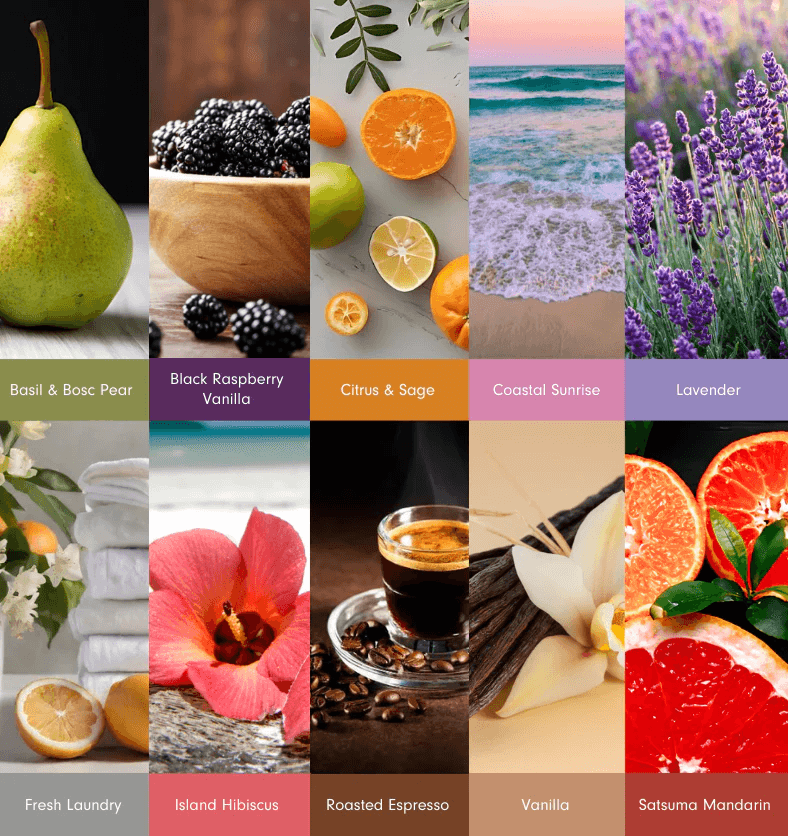
- Middle East – oud, amber, musk, long-lasting scents
- Europe – floral, woody, elegant blends
- North America – fresh, clean, modern fragrances
- Southeast Asia – light, refreshing, daily-use perfumes
Understanding regional preferences can improve product acceptance and reduce development risk.
Define your price level
Common positioning strategies:
- premium perfume line
- mid-range lifestyle fragrance
- affordable daily perfume
- gift set collection
- niche artistic fragrance
Price level influences bottle material, packaging complexity, and fragrance concentration.
Clarify brand identity
Examples:
- minimalist brand concept
- luxury image
- eco-friendly packaging
- modern lifestyle positioning
- youthful trend-focused branding
A clear concept allows manufacturers to provide more accurate product suggestions.
3. Step 2 – Understand Perfume Types and Fragrance Structure
Perfume concentration determines scent intensity and longevity.
Common fragrance types:
| Type | Oil concentration | Longevity | Application |
|---|---|---|---|
| Parfum | 20–30% | 8–12 hours | luxury collections |
| EDP (Eau de Parfum) | 15–20% | 6–8 hours | most popular |
| EDT (Eau de Toilette) | 5–15% | 3–5 hours | everyday use |
| EDC (Eau de Cologne) | 2–5% | 2–3 hours | refreshing |
EDP is widely selected for private label perfume due to balanced performance and cost efficiency.
Basic fragrance structure
Most perfumes include three note layers:
Top notes
Provide the first impression and evaporate quickly.
Middle notes
Define the main scent personality.
Base notes
Provide depth and long-lasting effect.
Popular fragrance families include:
- floral
- fruity
- woody
- oriental
- fresh
- gourmand
Professional fragrance suppliers usually provide sample libraries aligned with regional preferences.
4. Step 3 – Choose Between OEM and ODM Perfume Manufacturing
Understanding the difference between OEM and ODM services helps optimize development efficiency.
OEM perfume service
OEM production means the buyer provides product specifications such as:
- fragrance direction
- bottle design
- packaging concept
- branding artwork
The manufacturer produces according to the provided design.
ODM perfume service
ODM solutions allow buyers to select from existing fragrance formulas and packaging options, then customize logos and branding elements.
ODM is often recommended for:
- new brands
- buyers testing new markets
- customers with limited initial budget
- projects requiring faster launch timelines
Typical services provided by an experienced perfume manufacturer:
- fragrance formulation
- sample development
- bottle sourcing
- packaging customization
- logo printing
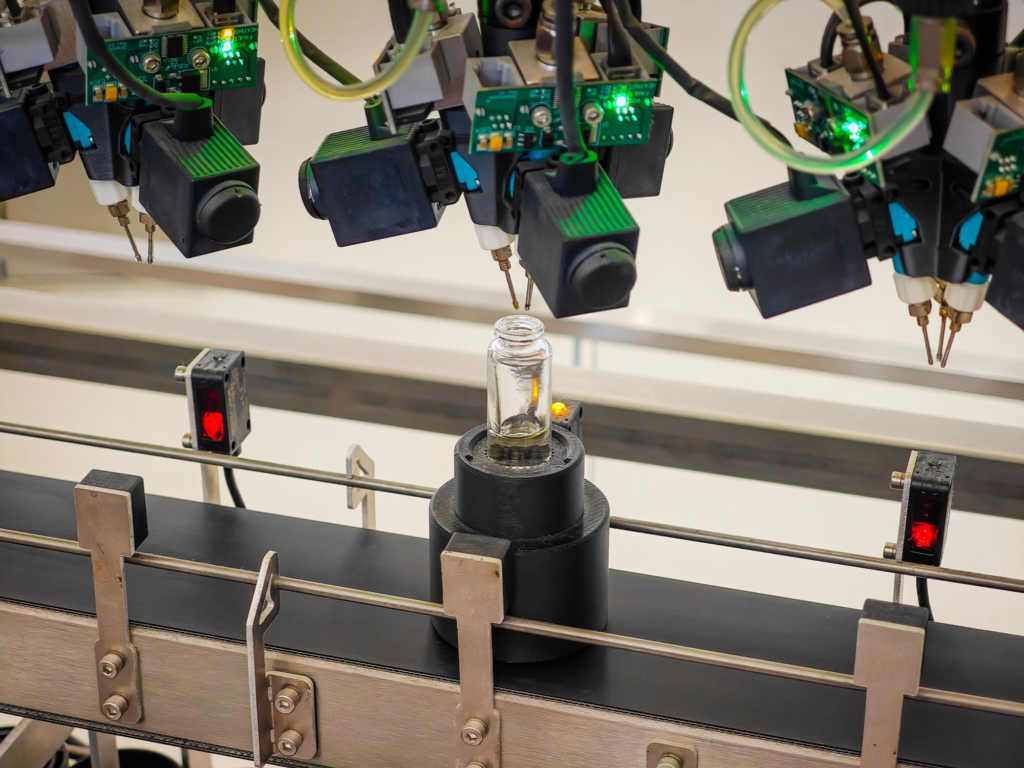
- filling and assembly
- export documentation support
Working with an experienced supplier can significantly reduce communication costs and development risk.
5. Step 4 – Perfume Bottle and Packaging Options
Packaging plays an important role in brand recognition and perceived value.
Bottle appearance often influences purchasing decisions, especially in retail and online channels.
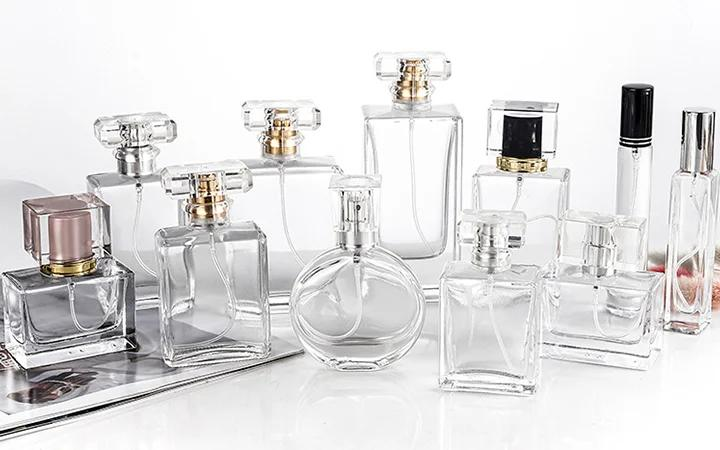
Common bottle styles
- clear glass bottle
- frosted glass bottle
- gradient color bottle
- square minimalist bottle
- cylindrical luxury bottle
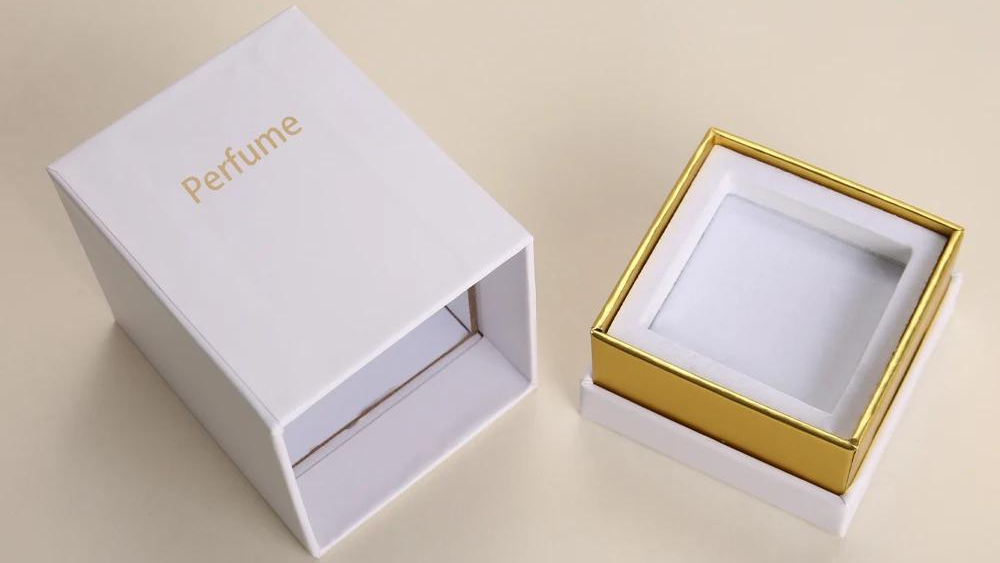
Packaging box options
- rigid gift box
- magnetic closure box
- folding carton box
- eco-friendly kraft packaging
- premium textured paper box
Customization options may include:
- silk screen logo printing
- hot stamping
- embossing
- UV printing
- label application
Choosing packaging that matches brand positioning helps create consistent visual identity.
6. Step 5 – Private Label Perfume MOQ Explained
MOQ depends on packaging complexity and customization level.
Typical MOQ ranges in the industry:
- standard bottle perfume: 1,000 – 3,000 pcs
- customized bottle design: 5,000 – 10,000 pcs
- gift set packaging: 2,000 sets
- stock fragrance with simple logo printing: lower MOQ possible
MOQ is influenced by:
- bottle mold availability
- packaging printing method
- fragrance preparation volume
- assembly requirements
Working with a supplier offering flexible MOQ helps new brands test market demand with controlled risk.
7. Step 6 – Sampling and Product Development Process
Sampling ensures product consistency before bulk production.
Typical development process:
Step 1 – fragrance direction confirmation
Step 2 – fragrance sample selection
Step 3 – bottle style confirmation
Step 4 – packaging design adjustment
Step 5 – pre-production sample approval
Key evaluation factors:
- scent longevity
- packaging durability
- spray performance
- leakage resistance
- label adhesion
- transportation safety
Reliable manufacturers provide technical suggestions during sampling to improve product performance.
8. Step 7 – Estimated Production Timeline
Understanding timeline helps buyers plan product launch schedule.
Typical private label perfume timeline:
Week 1–2
fragrance selection and quotation confirmation
Week 2–3
packaging design adjustment
Week 3–5
sample production and approval
Week 5–8
bulk production
Week 8–9
quality inspection and shipment preparation
Lead time may vary depending on customization complexity and order quantity.
Planning sufficient timeline reduces delays during peak seasons.
9. Step 8 – Compliance Requirements for International Markets
Perfume products must meet regulatory standards in different regions.
Common documentation includes:
- ingredient information
- safety data sheet (SDS)
- IFRA compliance reference
- packaging labeling compliance
- transportation documentation
Experienced exporters can assist in preparing required documentation to ensure smooth customs clearance.
Compliance preparation is particularly important for buyers importing into Europe and North America.
10. Step 9 – Build a Competitive Product Line
Launching multiple SKUs helps strengthen brand presence.
Typical starting product structure:
- 3–5 fragrance variations
- 30ml, 50ml, or 100ml bottle sizes
- gift box options
- seasonal limited editions
Offering several fragrance options allows distributors to test market preferences and optimize future orders.
11. Common Mistakes When Starting a Private Label Perfume Brand
Many new buyers encounter avoidable challenges during development.
Common issues include:
Choosing overly complex bottle shapes in the first order
Selecting too many fragrance types initially
Underestimating packaging lead time
Ignoring transportation requirements for perfume products
Focusing only on bottle appearance instead of fragrance quality
Expecting very low MOQ for fully customized packaging
Working with experienced manufacturers helps reduce these risks and improve efficiency.
12. Advantages of Working With an Experienced Perfume OEM Manufacturer
Professional perfume suppliers provide support beyond production.
Typical advantages include:
- access to fragrance libraries
- stable packaging supply chain
- consistent quality control
- efficient sampling process
- scalable production capacity
- export experience
Reliable communication and structured development processes help ensure stable long-term cooperation.

Conclusion
Private label perfume continues to be a promising product category in 2026 due to strong consumer demand for personalized fragrance products and growing opportunities in niche branding.
By selecting appropriate fragrance types, packaging solutions, and manufacturing partners, brand owners can successfully launch competitive products in international markets.
Working with an experienced OEM or ODM perfume manufacturer allows buyers to reduce development complexity while maintaining flexibility in branding and customization.
For businesses planning to expand product categories or develop new fragrance brands, early planning and collaboration with professional suppliers can significantly improve product launch efficiency and long-term market competitiveness.
To contact us:
Contact us for a free consultation and we will provide you with a quote.